
What can gyms learn from leisure centres?
Gym operators are under constant pressure to keep their facilities current.
A new training format takes off. Different equipment becomes popular. Another generation begins influencing how fitness is marketed, designed and delivered.
Investment in new ideas can be valuable. The problem comes when business development becomes a constant race to attract the youngest customer while a significant growth opportunity is already being served elsewhere.
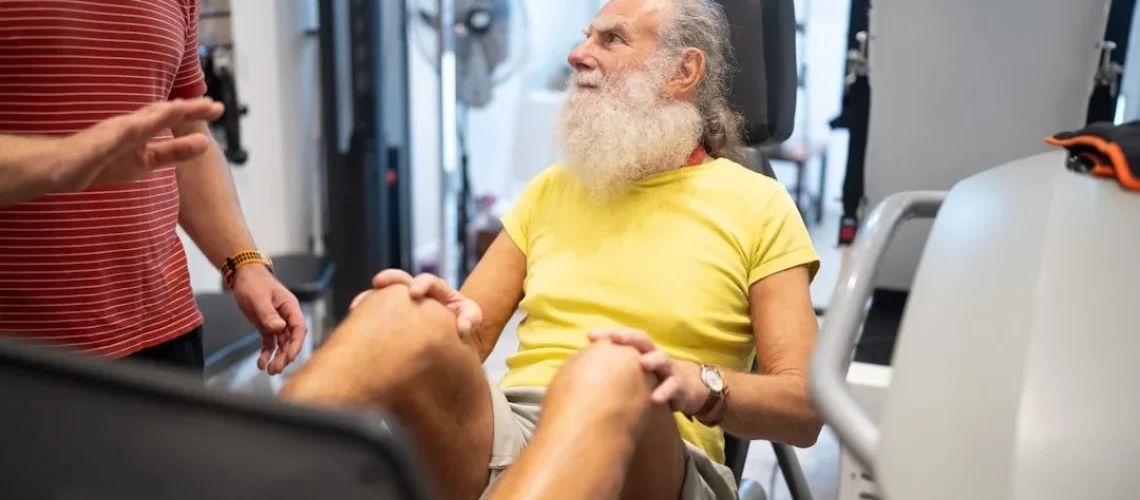
Data from ABC Fitness found that people aged 65 and over were the fastest-growing membership cohort across its network in 2025, increasing by 8.6%. In England, Sport England has also reported continued growth in physical activity among older adults, with 64.3% of people aged 55–74 and 44.3% of those aged 75 and over meeting the recommended activity guidelines.
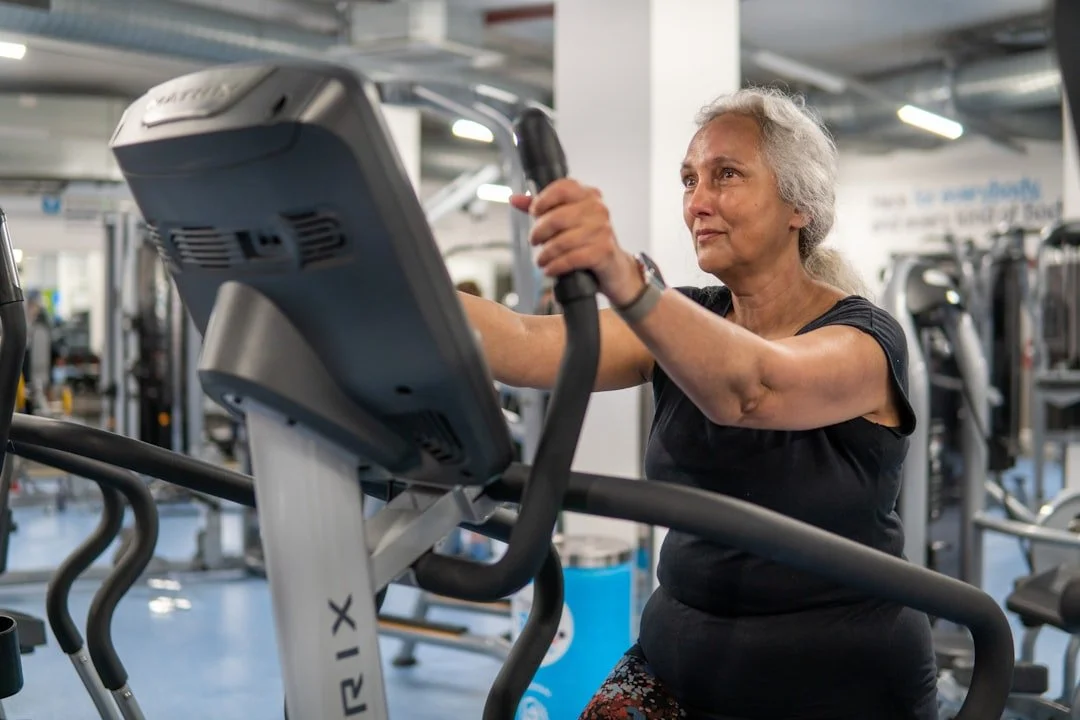
Older adults are not a niche audience waiting for the fitness industry to discover them. Many are already active, while others are looking for accessible ways to begin, return or do more.
Leisure centres have been serving this varied population for years. What can gym operators learn from them?
Older members are not a new market to leisure centres
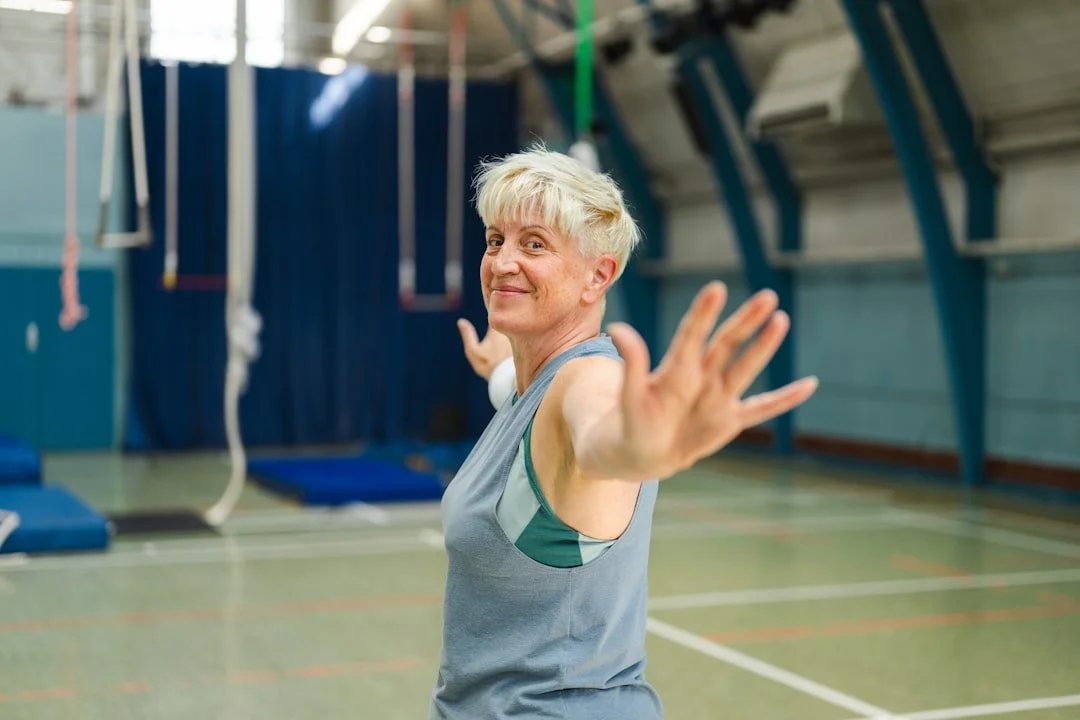
Leisure centres have traditionally been expected to serve whole communities rather than one ideal member.
Someone may enter through swimming, a group exercise class, the gym, a health referral programme, a community activity or simply because the facility is familiar and local.
That gives leisure centres something many gym-only businesses have to work harder to create: different routes into, and through, physical activity.
That gives leisure centres something many gyms don’t have: multiple ways for people to start, stay engaged, and progress through physical activity.
This does not mean every leisure centre gets it right or that every gym focuses solely on younger members, but it does mean the community leisure model can offer useful lessons for building services that stay relevant across different stages of life.
Offer a pathway, not just a ‘senior class’
Older adults are not one customer type.
Some will have trained for decades. Others may be returning after a long break, managing a long-term condition or entering a leisure environment for the first time. Their goals, confidence, abilities and preferred activities will vary considerably.
Adding one low-intensity class to the timetable does not create a complete strategy for older members.
A stronger service considers:
- how people first discover and access an activity;
- whether introductory support is available;
- how customers move between different activities;
- what happens when their needs or interests change;
- whether staff can signpost the next appropriate step;
- how supported activity might progress into sustained participation.
Oldham Active provides a useful leisure example. Its wider offer combines gym membership, swimming and group exercise with services including exercise referral, fall prevention and accessible activities.
A gym may not be able to replicate that entire range. It can, however, examine whether its current services give people more than one way to participate and progress.
Make community part of the service
The word ‘community’ can easily become shorthand for occasional events, discounted sessions or short-term funded projects, but community does not have to sit outside the commercial product.
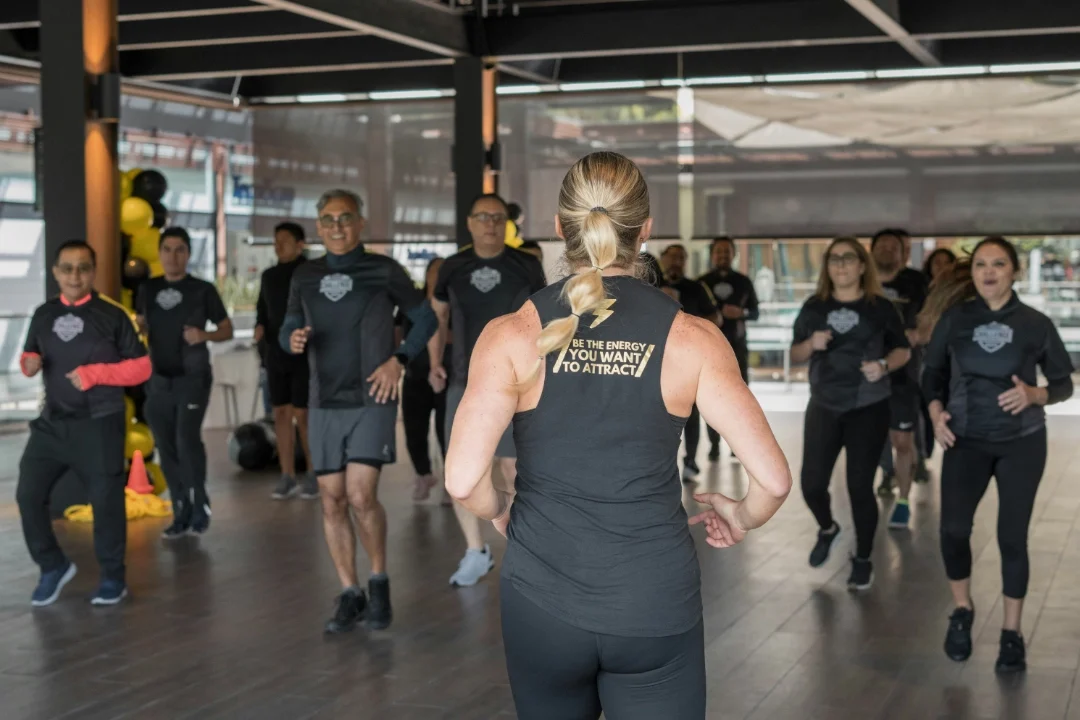
JST Training in Wigan describes itself as a community-focused gym built around coach-led classes and a supportive environment for different fitness levels. Members train through a shared experience rather than simply occupying the same facility.
This shows that a gym does not need a swimming pool, sports hall or large community programme to adopt some of the strongest principles of leisure:
- regular contact between members and staff;
- shared routines and experiences;
- coaching as part of the core service;
- members being recognised rather than remaining anonymous;
- a reason to return that extends beyond access to equipment.
The lesson is not that every gym should become class-based. It is that belonging is more likely to develop when it is designed into the service rather than left to chance.
Combine digital convenience with human access
Online joining, apps and digital booking can make fitness and business more convenient. They should not, however, become the only way to access the service.
This isn’t about assuming older customers cannot or don’t want to use technology. Many will prefer the speed and flexibility it provides.
The question is whether customers can still reach a knowledgeable person when they need help, clarification or reassurance.
Strong operators can provide both:
- simple online booking and account management;
- clear information about classes and services;
- flexible ways to participate;
- approachable staff who understand the complete offer;
- appropriate introductions for people unfamiliar with the environment.
Digital and human services are not competing models. They complement each other. Both can remove different barriers.
Community still needs a business model
Any discussion of community provision faces a legitimate challenge: who pays for it?
A poorly designed initiative can consume staff time, depend on short-term funding and end without providing participants with a sustainable next step.
There is also an important difference between social value and income. Sport England estimated that England’s public leisure centres generated £3.63 billion in social value between April 2023 and March 2025. That represents wider benefits to individuals and society, not £3.63 billion received by leisure operators.
A community-focused activity still needs a clearly defined role. It might support:
- customer acquisition;
- membership retention;
- better use of off-peak capacity;
- progression into paid activities;
- commissioned or funded delivery;
- health and community partnerships;
- measurable social outcomes.
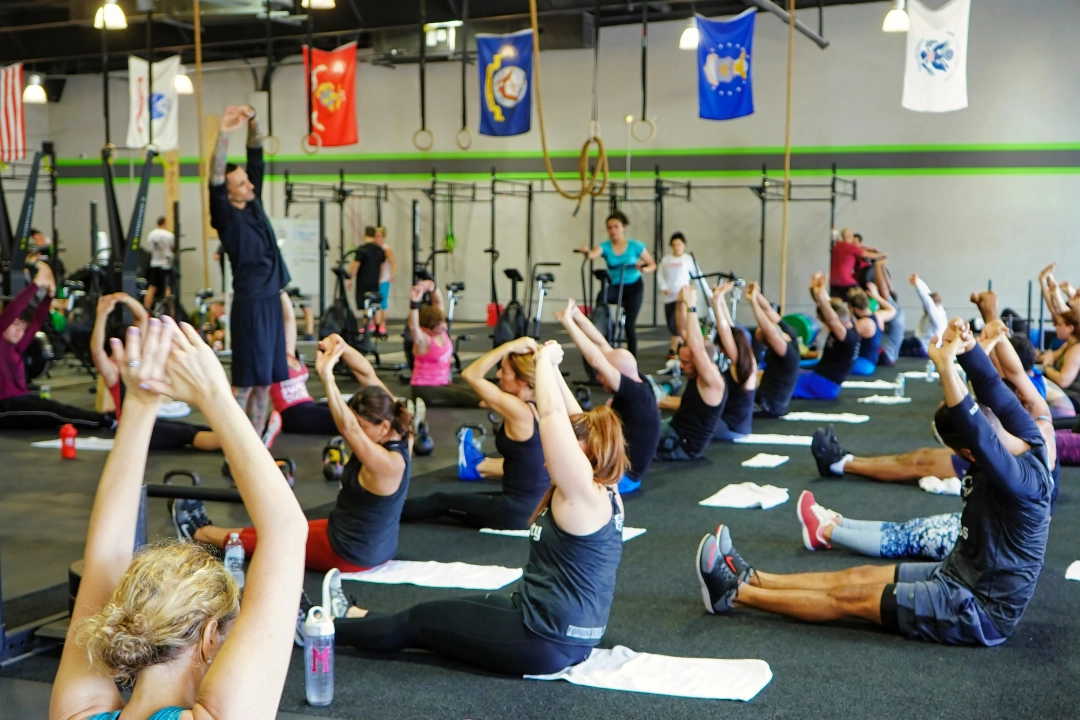
Community is not automatically sustainable, but it does not have to mean providing everything for free. JST demonstrates how shared participation can form part of a paid product, while leisure operators may combine membership income with commissioned services, partnerships or targeted funding.
The important point is to establish the purpose, delivery cost and intended outcome from the beginning.
Invest in the workforce, not just the facility
New equipment can extend what a facility offers, but it cannot welcome a nervous customer, understand a participation barrier or identify when somebody needs more specialised support.
That requires an appropriately qualified and connected workforce.
A Leisure Team Member apprentice can gain experience across the gym floor, poolside, and front-of-house, helping create a more consistent customer journey.
Community Activator Coaches can help organisations understand local barriers, build relationships and create accessible routes into physical activity.
A Personal Trainer apprentice develops the competence needed to consult, screen, plan and coach individuals, not simply supervise the gym floor.
Additional qualifications in areas such as Exercise Referral can then help appropriately qualified professionals develop the knowledge required to support specified long-term conditions and referral pathways. The need for this expertise should be based on the customer’s health and level of risk, not their age alone.
Finally, a Leisure Duty Manager apprentice can develop the leadership and operational knowledge needed to coordinate these different capabilities while managing service quality, staffing and resources.
The aim is not for every employee to become a specialist. It is to build a workforce in which:
- frontline employees understand the full service;
- customers can reach the right professional;
- staff recognise the limits of their role;
- specialist expertise is used where it adds genuine value;
- managers can connect customer need with commercial reality.
Oldham Active’s apprenticeship information identifies FLM Training within its Leisure Team Member and Leisure Duty Manager development, illustrating how operational apprenticeships can support the people behind a broader community offer.
Questions for gym operators
Before approving the next equipment purchase, timetable change or community initiative, it may be worth asking:
- Are we responding to customer needs or simply following the latest visible trend?
- How many credible entry points does our service provide?
- Can customers progress as their goals and circumstances change?
- Is community part of our core experience or an occasional extra?
- Do staff understand when and where to signpost customers?
- Are specialist skills being used to expand what we can safely offer?
- Are commercial and social outcomes being measured separately?
Gyms do not need to become leisure centres
The strongest lesson from community leisure is not to copy its facilities or timetable.
It is to recognise that sustained participation is built through choice, relationships, progression and knowledgeable people.
Trends can bring customers through the door. A service that remains relevant as their lives change gives them a reason to stay.
If your organisation wants to develop its customer experience, fitness delivery or operational leadership, speak to FLM Training about using apprenticeships to develop your workforce.