
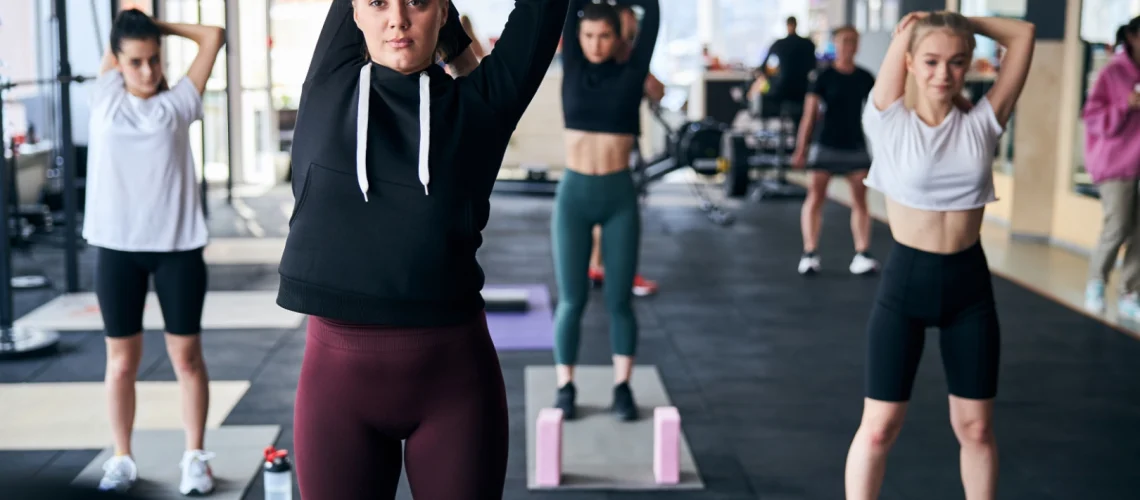
Women’s sport has never been more visible.
From packed stadiums to record-breaking broadcast figures, female athletes are inspiring more people than ever. At the same time, physical activity levels across England have reached record highs, with more than 30 million adults now meeting recommended activity guidelines.
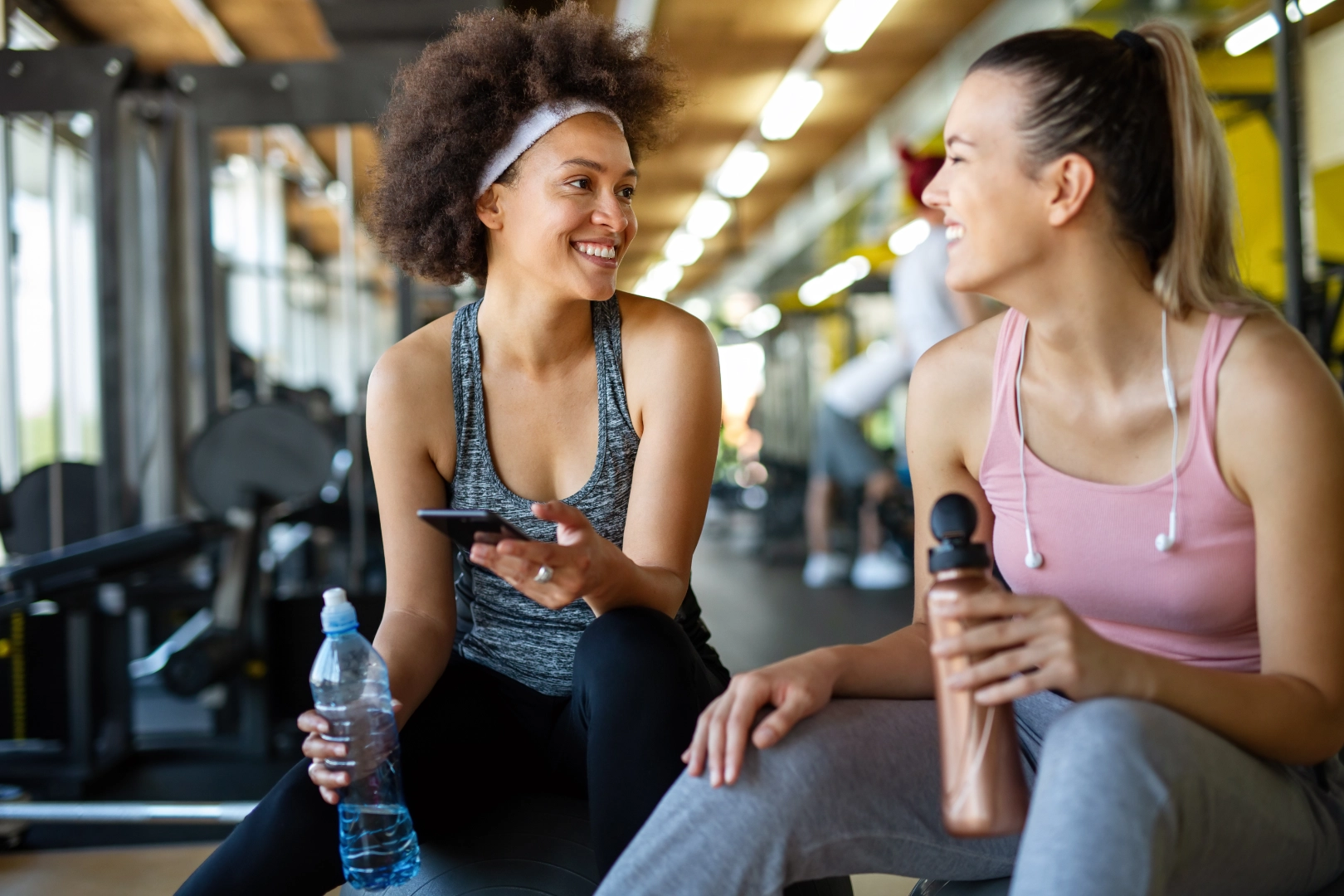
On the surface, that sounds like a real success story.
If we look more closely, the picture becomes more complicated. Millions of women are still being left behind when it comes to physical activity, and the reasons are often more complex than a simple lack of motivation.
For future leisure professionals, this matters. Understanding why women may feel unable, unwelcome, or unsupported in fitness environments is essential if we want to create spaces where more people feel confident enough to take part.
The Barriers Are Bigger Than Motivation
It is easy to assume that if someone is not exercising, they simply need more motivation, but the evidence suggests something different.
Many women face a combination of practical, financial, cultural, and psychological barriers that make regular physical activity harder to access. These can include cost, childcare, lack of time, confidence, cultural expectations, fear of judgement, and limited access to local facilities.
Visibility does not automatically equal participation.
Almost 4 in 10 women over the age of 16 are still not active enough to gain the full health benefits of exercise. For some groups of women, the barriers are even greater, with only 46% of Asian women and 50% of Black women meeting activity guidelines.
For future leisure professionals, this raises an important question: if awareness of physical activity is higher than ever, what is still stopping so many women from taking part? If someone does not attend a gym, leisure centre, or fitness class, it does not always mean they are uninterested. It may mean the environment, pricing, timetable, communication, or culture does not yet feel accessible to them.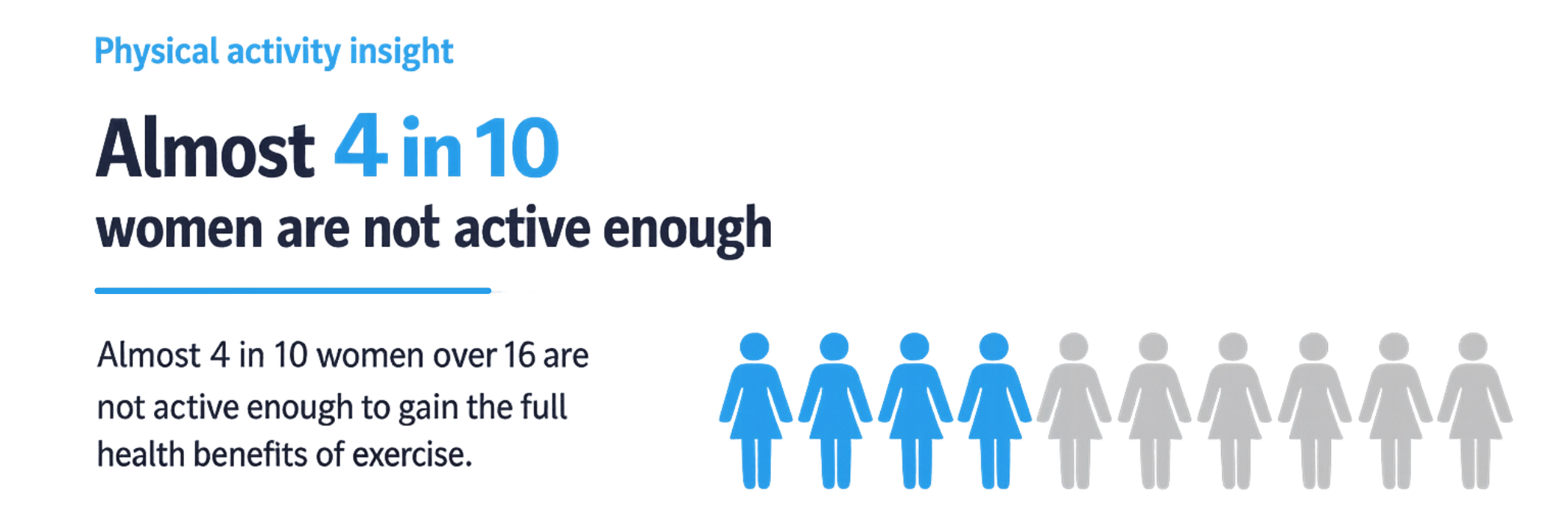
Cost, Time, and the Pressure to Put Others First
The cost-of-living crisis has made this issue even more visible. When household budgets are tight, fitness can quickly be treated as a luxury rather than a necessity.
For many women, especially those with caring responsibilities, their own health and wellbeing can become the first thing sacrificed. A gym membership, swimming session, or weekly class may be cut before children’s activities, household bills, or other family needs. That does not mean those women do not value fitness. It means they are making difficult choices within real financial and emotional pressures.
This is something leisure professionals need to understand. When planning services, pricing, timetables, or community programmes, the question should not just be, “What classes can we offer?” It should be, “What would make this genuinely possible for the people we want to reach?” That might mean more flexible pricing, beginner-friendly sessions, family-aware scheduling, or community partnerships that reduce cost as a barrier.
The Impact of Gym Intimidation
Financial barriers are only part of the picture. Confidence plays a major role too.
For many women, traditional gym spaces can feel intimidating. Mirrors, unfamiliar equipment, busy free-weight areas, and the fear of being watched or judged can make exercise feel exposed rather than empowering. “Gym intimidation” can be linked to experiences that may have started much earlier in life, including girls feeling pushed to the side in playgrounds or avoiding sport because they fear being watched and judged. By the time some women reach adulthood, those early experiences may have already shaped how they feel about exercise spaces. A fitness environment that feels normal to one person may feel deeply uncomfortable to another.
This is where leisure professionals can make a significant difference. A welcoming reception, clear instructions, supportive staff, beginner-friendly language, and a non-judgemental atmosphere can all help reduce that first barrier. The first experience matters. If someone feels embarrassed, confused, or ignored the first time they walk through the door, they may not come back.
Why Belonging Matters
One of the strongest ideas in the industry is the role of group exercise and belonging.
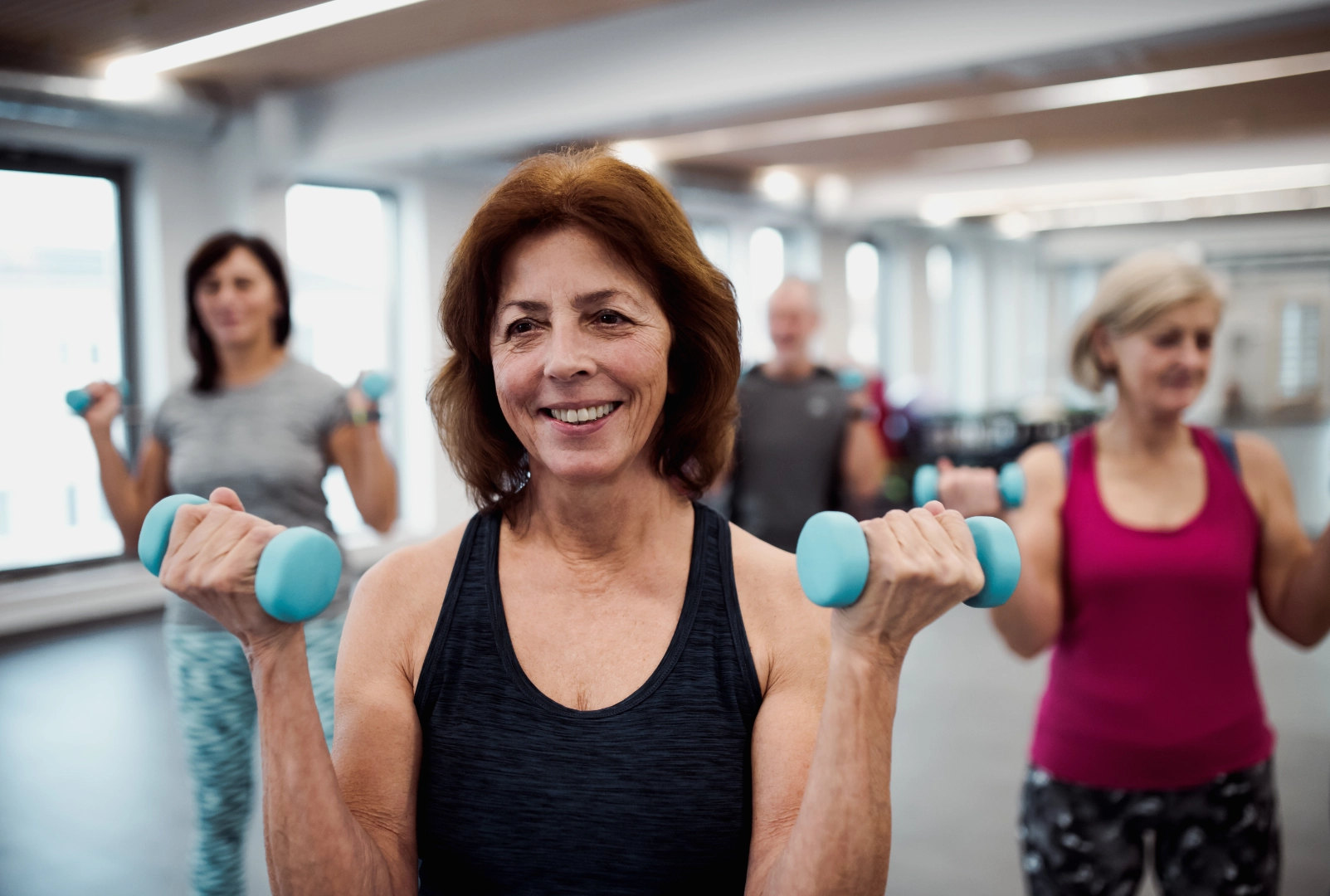
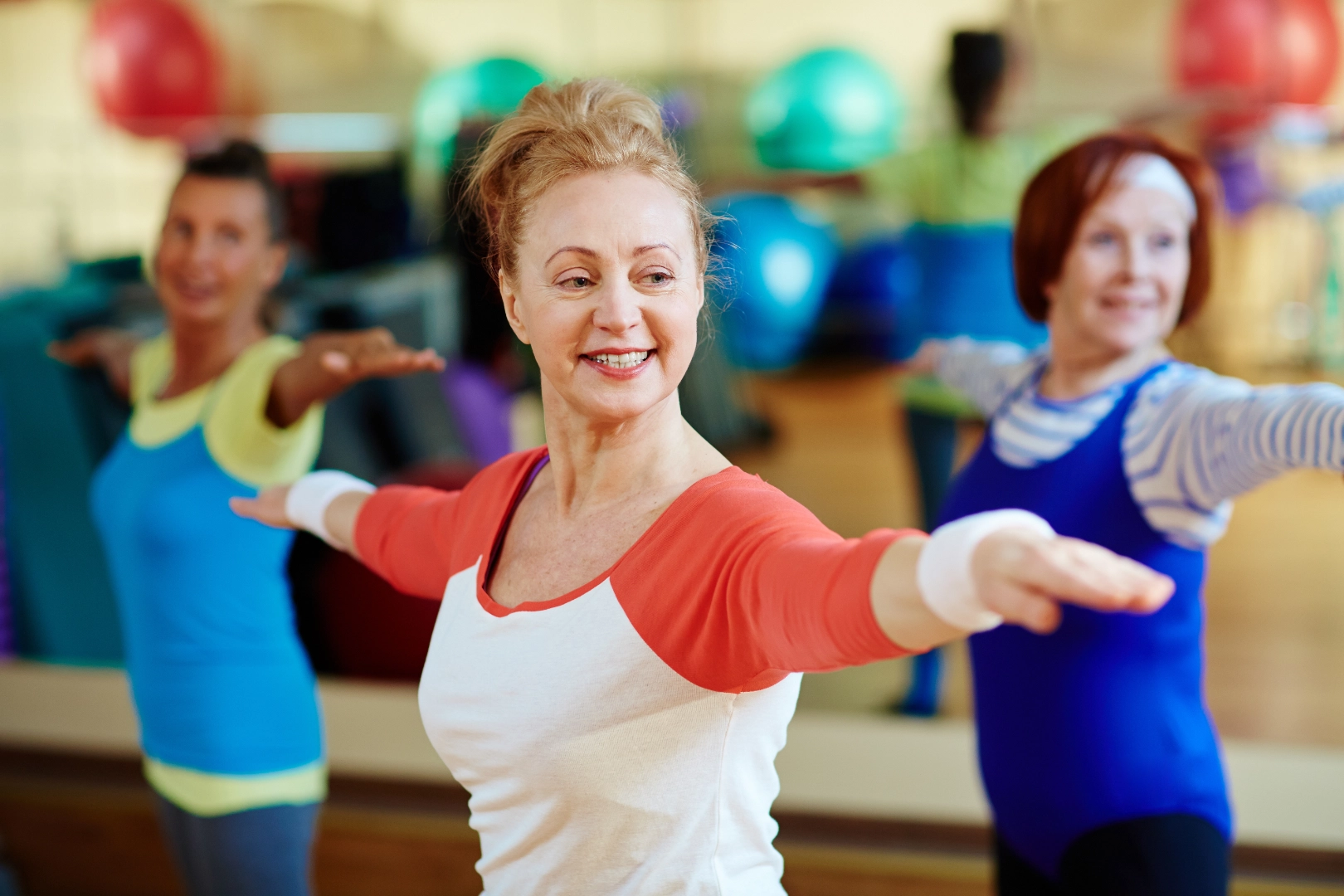
Despite the barriers women face, many are drawn towards group fitness environments. The reason is not just the workout itself. It is the connection, structure, shared energy, and sense of safety that a good group environment can create. When people move together, whether in a fitness class, swimming group, walking session, or community activity, the experience can feel less isolating. For someone who lacks confidence, being part of a supportive group can make exercise feel less like a performance and more like participation.
That distinction matters.
A strong fitness experience is not always about intensity, personal bests, or physical transformation. For many people, it is about feeling comfortable enough to begin, supported enough to continue, and connected enough to return.
For future leisure professionals, this is a valuable lesson. The quality of a session is not only measured by how hard people work. It is also measured by how safe, included, and motivated people feel about coming back.
What Leisure Centres Can Learn
Leisure centres are in a strong position to support women’s participation because they are often rooted in local communities. Unlike some commercial fitness spaces, they can act as accessible, familiar, multi-purpose environments for people of different ages, backgrounds, and abilities.
“Going where women are” is an approach that encourages providers to adapt their offerings to women’s lives, rather than expecting women to adapt to traditional sports or fitness models.
That shift is crucial.
Instead of asking, “Why are women not attending?” leisure centres should ask, “What are we asking women to overcome before they even arrive?”
That might include the language used to promote sessions, the times classes are scheduled, whether women-only options are available, how staff welcome new participants, and whether the activity feels beginner-friendly or performance-focused. Small details can make a big difference. The way a class is described, the confidence of the instructor, the tone of the welcome, and the visibility of people who look and feel relatable can all influence whether someone feels able to take part.
The Role of Future Leisure Professionals
For apprentices and future leisure professionals, this topic is not just about women’s fitness. It is about professional awareness.
A Leisure Team Member may be the first person someone speaks to when they walk into a facility. A Fitness Instructor may be the person who helps someone feel confident using equipment for the first time. A Leisure Duty Manager may be responsible for shaping timetables, staff culture, customer experience, and community engagement. Each of those roles can either reduce barriers or unintentionally reinforce them.
This is why inclusive practice is not an optional extra. It is a core professional skill.
Future leisure professionals need to understand that people arrive with different experiences, confidence levels, cultural needs, financial pressures, and personal barriers. The role of the professional is not simply to deliver activity, but to create the conditions where more people feel able to participate. That requires communication, empathy, observation, adaptability, and good judgement.
What Can Leisure Centres Do
If leisure centres want to make fitness more inclusive for women, the first step is to listen. The most effective programmes are often designed with local women, not just for them. That means understanding what women in the community actually need, what has stopped them from attending before, and what would make the environment feel more welcoming.
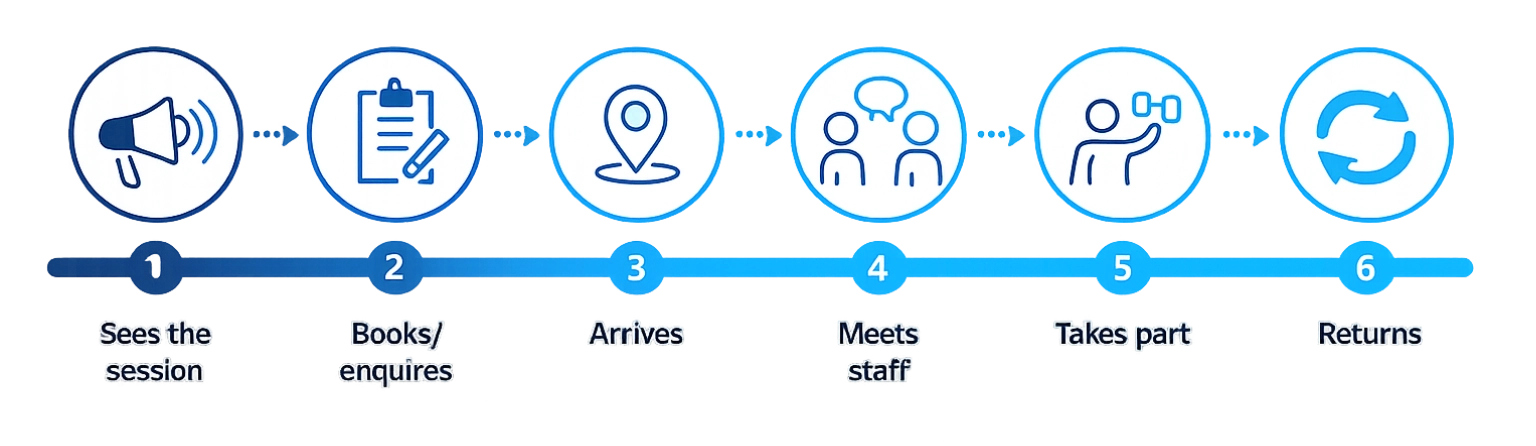
Centres can also review the first-time customer journey. Is it clear where to go? Are staff approachable? Are beginners shown what to do? Is the language friendly, or does it assume prior knowledge? For someone lacking confidence, these details matter.
Women-only sessions can also help remove barriers for some participants, particularly where confidence, culture, religion, or previous negative experiences make mixed environments more difficult. These sessions should not be treated as a side offer, but as a legitimate route into long-term participation.
Affordability is another important factor. Flexible pricing, low-cost community sessions, funded programmes, or off-peak options can help women who might otherwise be priced out of regular activity.
Finally, staff training is essential. A leisure centre can have the best timetable in the world, but if the welcome feels cold, rushed, or judgemental, people may not return. Staff need to understand how to create a positive first impression, support nervous participants, and build confidence over time.
Final Thoughts
The barriers women face in fitness are not always visible. They are often shaped by cost, time, confidence, culture, previous experiences, and whether a space feels genuinely welcoming. For future leisure professionals, that is the key lesson.
Improving participation is not just about offering more sessions or telling people to be more active. It is about understanding why people may feel excluded in the first place, then designing environments that help them feel included. When leisure centres get this right, they do more than provide exercise. They create spaces where people feel they belong.
For many women, that sense of belonging may be the first step towards becoming active again.